Nirav Patel
Founding/Lead Product Designer
Founder-minded product designer who turns ambiguity and complexity into clarity and moves real business metrics.
Previously at Reacher (YC B2B Martech), Card.io (Consumer Mobile), Emvitals (B2B Healthtech). Also founded a Legaltech startup.

Selected Work
Reacher
AI powered platform to automate creator marketing workflows
Redesigned 70% of Platform
Reduced churn and support tickets through UX clarity
Led AI Agents Design
Saved 20+ hours weekly for creative strategists through automated brief generation
Opened New Market Vertical
Built creator side workflows to allow for omni-channel expansion

Card.io
iOS & WatchOS - Gamified running app using behavioral psychology
+176% Daily Active Users
Implemented coin collection and powerups for immediate gratification
+300% 30-Day Retention
Applied Game Thinking and Hooked framework to create habit-forming loops
Built Complete Design System
Created unified component library for iOS and WatchOS platforms

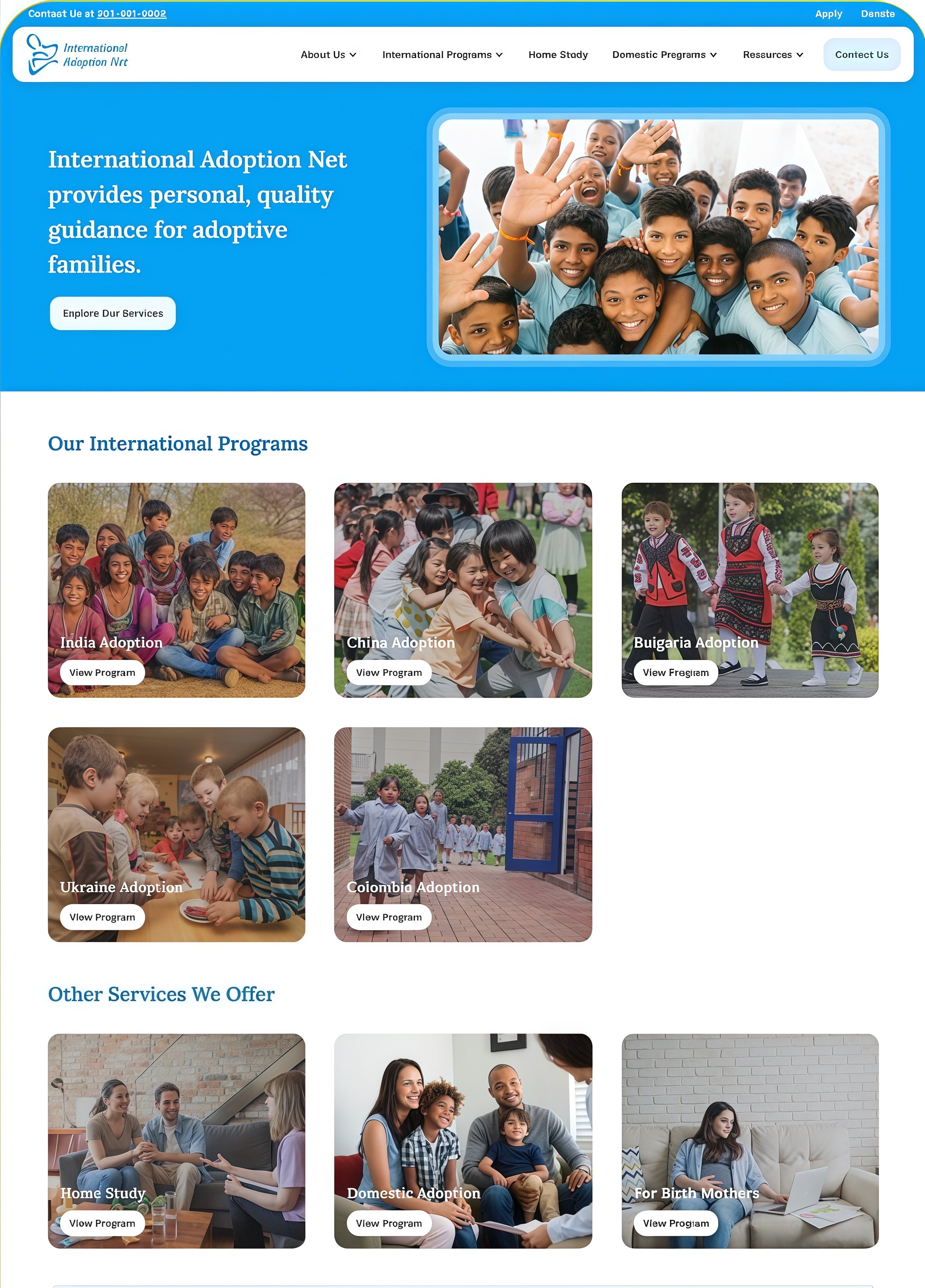
International Adoption Net
Web redesign to build trust and streamline the adoption journey
+80% Website Visits
Modernized 10-year-old design to invoke trust and positive emotions
-50% Bounce Rate
Simplified architecture and clarified value proposition
+30% Payment Conversion
Implemented Stripe integration with HIPAA-protected forms
Design Leadership
Building design systems and teams that create leverage
Built Reacher's design function from 1 → 3 designers
Implemented 2x faster design sprints with AI prototypes for fast user and stakeholder alignment
Led analytics (PostHog) and user research continuous discovery implementation
Mentored designers on product thinking and craft
Design Principles
Design should make the product feel like it always should have existed. When the intent is clear and the interaction is natural, users don’t need a tutorial. If 80% of users can use it without external assistance, the design is doing its job.
Every element on screen should earn its place. Each pixel communicates hierarchy, intent, or emotion and nothing is decorative filler. Clarity, density, and simplicity should always serve the outcome, not the designer’s ego.
Good UX makes people feel confident. Design should be both functionally efficient and emotionally resonant, creating experiences that users trust and enjoy.
Prioritize what drives the business forward. Every design decision should connect to business outcomes, user value, and product strategy.